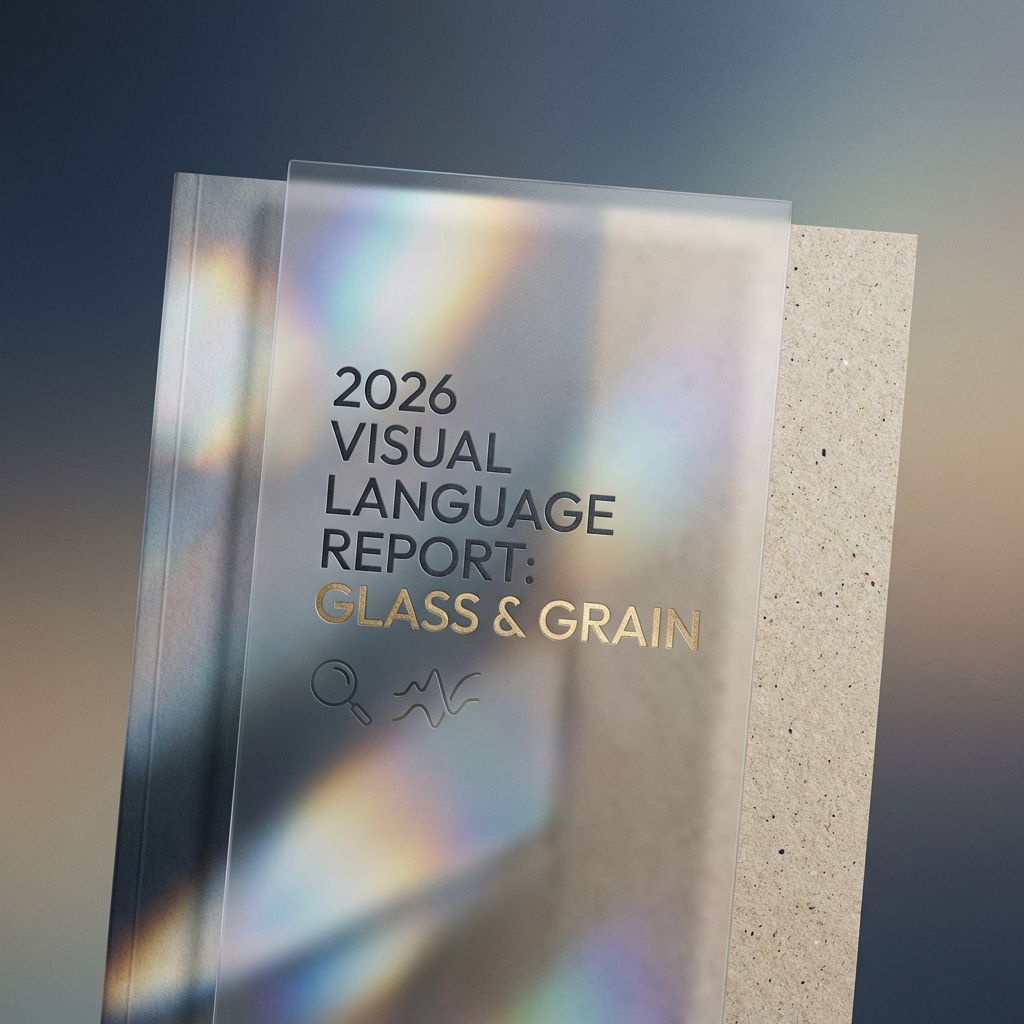
2026 Visual Language Report: Glass & Grain
🍀 Directory Note
"A deep dive into Dynamic Glassmorphism and the new era of Tactile Digitalism."
About 2026 Visual Language Report: Glass & Grain
# The 2026 Visual Language Report: Glass, Grain, and Gridless
As we move deeper into 2026, the digital design landscape has shifted from the rigid "Card-Based" layouts of the early 2020s toward a more organic, tactile, and immersive visual language. This report analyzes the three pillars of modern UI: **Dynamic Glassmorphism**, **High-Fidelity Grain**, and **Gridless Fluidity**.
---
## 💎 Pillar 1: Dynamic Glassmorphism (V3)
Glassmorphism isn't new, but its 2026 iteration is vastly more sophisticated. We've moved beyond simple "background-blur" to what we call **Refractive UI**.
* **The Physics**: Using real-time shaders (WebGL/WGSL) to simulate light refraction through interfaces. As a user scrolls, the content behind "bends" as if seen through a physical lens. * **The Impact**: This creates a sense of depth and premium quality that static overlays cannot match. It feels like a high-end physical object rather than a flat digital screen. * **Implementation**: Best achieved using Tailwind CSS 4's new backdrop filters combined with custom CSS variables for light-source tracking.
---
## 🌾 Pillar 2: High-Fidelity Grain (Tactile Digitalism)
The "flat" design trend of the 2010s left users feeling disconnected. In 2026, we are reintroducing **Tactile Digitalism** through the use of synthetic grain and noise textures.
* **Why Grain?**: Grain provides a "grip" for the eyes. It softens the harshness of OLED screens and mimics the texture of premium paper or brushed aluminum. * **The Trend**: "Variable Noise." Using SVG filters to apply dynamic grain that reacts to movement. A button might feel "smooth" in its idle state but develop a "brushed" texture on hover. * **Color Theory**: Grain works best with HSL-tailored dark modes, where the noise adds micro-shadows that make the background feel truly infinite.
---
## 🌊 Pillar 3: Gridless Fluidity (Breaking the Box)
Traditional layout grids (like Bootstrap or standard 12-column systems) are increasingly seen as a constraint. The most progressive designs of 2026 are **Gridless**.
* **The Aesthetic**: Elements are positioned using **Z-Axis layering** and **Floating Anchors** rather than rigid columns. It looks like a collage rather than a spreadsheet. * **The Tech**: CSS Anchor Positioning and Container Queries have finally made gridless design responsive. We can now anchor a call-to-action to a point of interest in a background video, regardless of screen size. * **Case Study**: Modern Apple and Airbnb landing pages have pioneered this, using whitespace not as a "gap" but as a "structural element."
---
## 🎨 Color Forecast for Late 2026
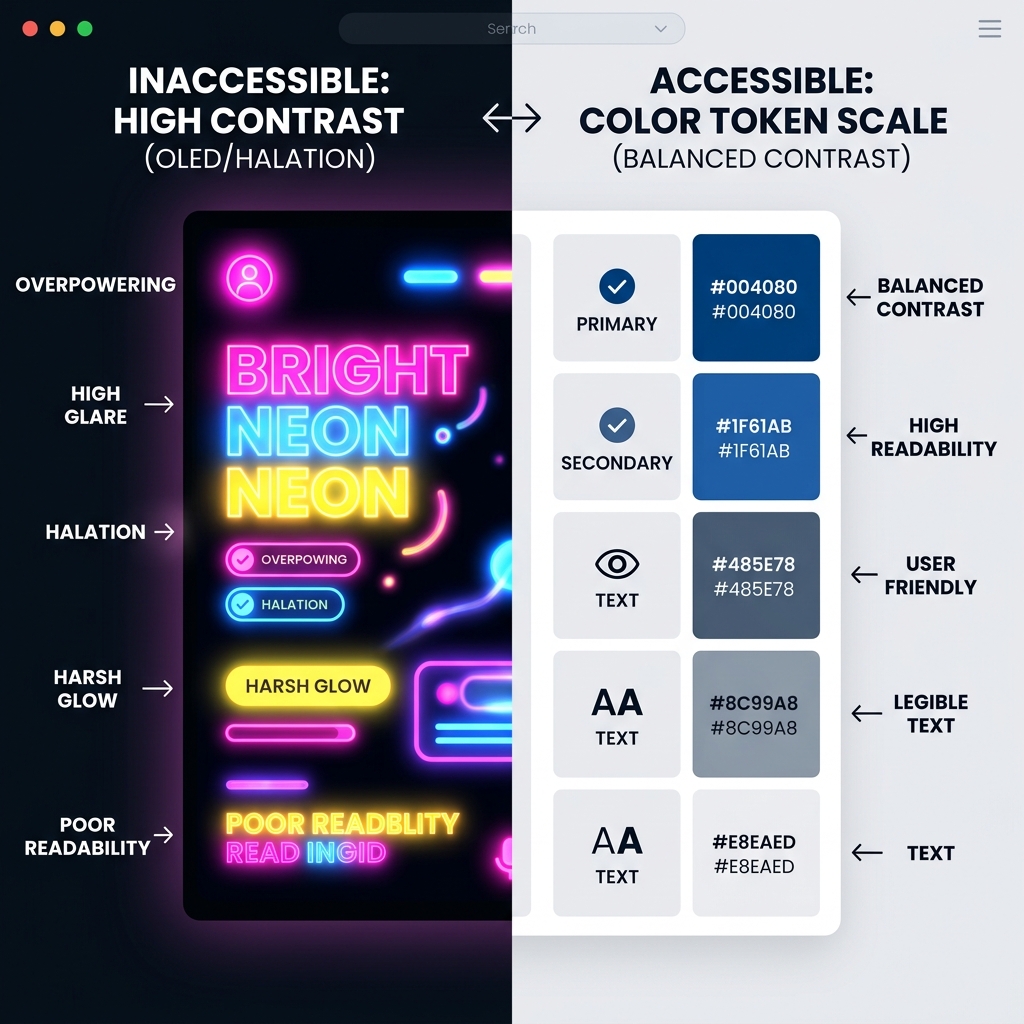
We are seeing a departure from neon "Cyberpunk" palettes toward **Earth-Core Neutrals** and **Infrared Accents**.
1. **Deep Shale (#1A1A1B)**: The new standard for premium dark modes. 2. **Solar Flare (#FF4D00)**: Used sparingly for high-action buttons. 3. **Refracted Mint (#E0F2F1)**: A primary light-mode background that reduces eye strain.
## 🚀 Conclusion for Designers
To stay competitive in 2026, you must stop thinking in terms of "pages" and start thinking in terms of **"environments."** The user doesn't just want to read your content; they want to inhabit it. By mastering refraction, texture, and fluid positioning, you can create interfaces that feel premium, modern, and - above all - human.
*Lucky Graphics provides the assets and boilerplates needed to implement these trends today. Explore our refraction-ready UI kits in the templates section.*
Directory Analysis & Suitability
Key Advantages
- Visual theory
- High-fidelity examples
Considerations
- Technical depth
Platform Compatibility
Web Environment
N/A
Mobile & Touch
N/A
Desktop Software
N/A